

The reflection in the mirror can sometimes tell a different story than the one we feel inside. While we accumulate wisdom and experience, gravity and time leave their inevitable marks on our appearance. For decades, the facelift was seen as a drastic measure, a secret whispered among Hollywood's elite. But in 2025, the conversation has shifted dramatically. It's no longer about chasing an impossible ideal of youth, but about aligning our external appearance with our internal vitality. A modern facelift is not about erasing your identity; it's about refining it, restoring the facial contours that have softened over time, and presenting a version of yourself that looks as refreshed and energetic as you feel. This guide will demystify the entire process, moving beyond the myths to provide a clear, comprehensive roadmap for one of the most transformative procedures in aesthetic medicine.
What is a Facelift? 🤔
A facelift, known medically as a rhytidectomy, is a surgical procedure designed to create a more youthful appearance in the face and neck. It's a common misconception that a facelift simply involves stretching the skin. In reality, a modern, sophisticated facelift is a multi-layered procedure that addresses the fundamental structures of the face that change with age. The primary goal is to counteract the effects of gravity, sun exposure, and daily stress.
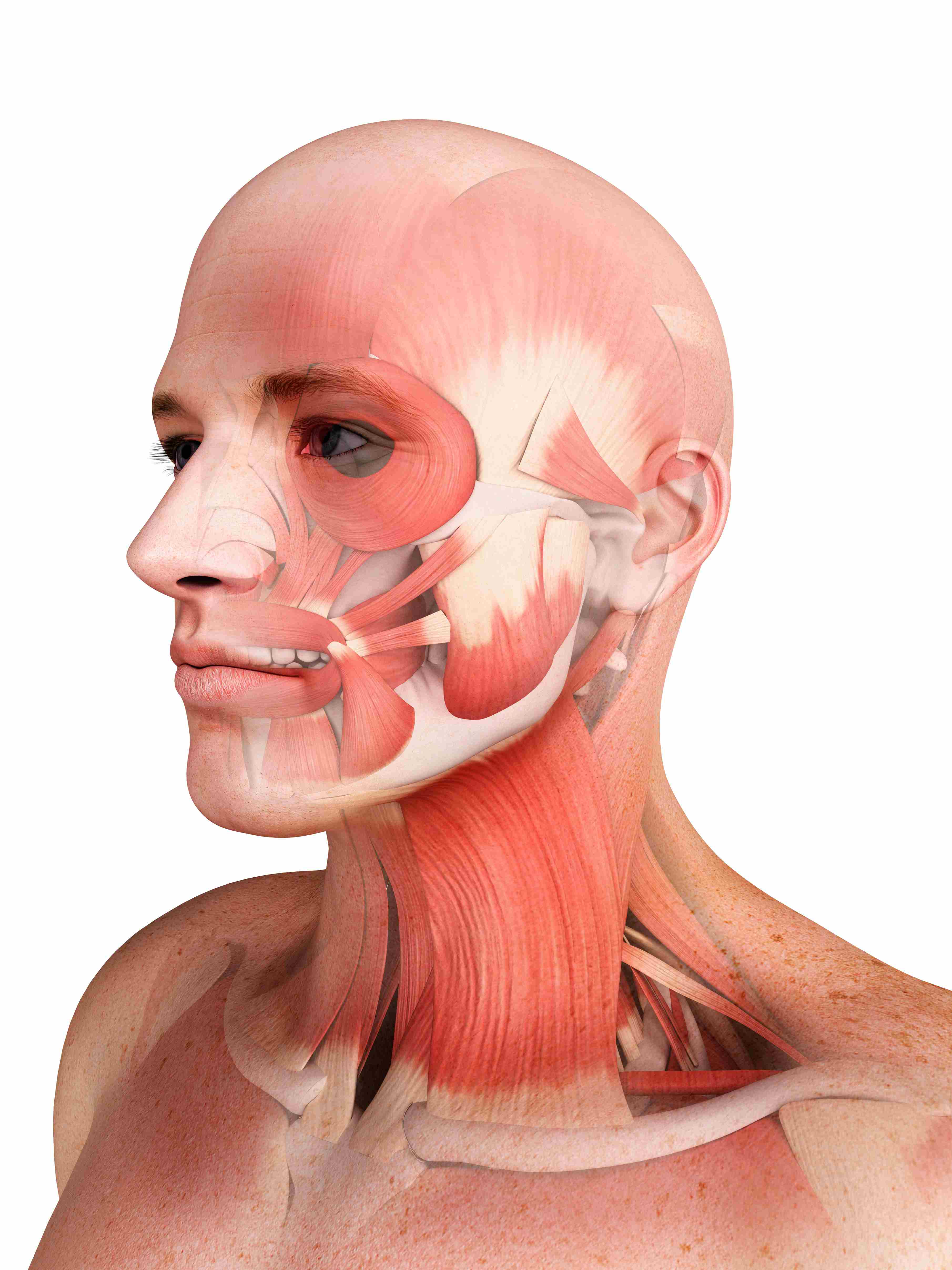
The procedure goes far beyond the skin's surface. Surgeons work on the Superficial Musculoaponeurotic System (SMAS), which is the layer of muscle and connective tissue beneath the skin. As we age, this layer weakens and sags, leading to the formation of jowls, deep nasolabial folds (the lines from the nose to the corners of the mouth), and a loss of definition along the jawline. By repositioning and tightening this foundational SMAS layer, surgeons can achieve a lift that is both significant and remarkably natural-looking. The skin is then re-draped over the newly sculpted contours, and excess skin is carefully removed. This technique ensures that the results are long-lasting and avoid the "wind-tunnel" look associated with older, skin-only facelift methods.
It's crucial to understand that a facelift primarily targets the lower two-thirds of the face and the neck. It effectively addresses sagging cheeks, jowls, excess skin and fat under the chin (a "turkey neck"), and deep creases. It is often combined with other procedures like a brow lift, eyelid surgery (blepharoplasty), or fat grafting to achieve comprehensive facial rejuvenation.
💡 Facelift vs. Non-Surgical Options
While non-surgical treatments like fillers, Botox, and thread lifts offer temporary improvements for mild to moderate signs of aging, they cannot replicate the dramatic and long-lasting results of a surgical facelift. A facelift is the gold standard for addressing significant skin laxity and sagging of the underlying facial structures. The best approach depends on your individual anatomy, degree of aging, and desired outcome, which should be discussed with a board-certified plastic surgeon.
Major Types of Facelift Surgery surgical_knife:
The term "facelift" is not a one-size-fits-all procedure. Advances in surgical techniques have led to a variety of options tailored to address specific patient needs and degrees of facial aging. Choosing the right type of facelift is a critical decision made in consultation with your surgeon. Here are some of the most common and effective types performed today.
The Traditional (Full) Facelift is the most comprehensive option. It addresses moderate to significant aging in the mid-face, lower face, and neck. Incisions are typically made within the hairline at the temples, continuing down in front of the ear and then behind the earlobe to the lower scalp. This allows the surgeon extensive access to reposition the SMAS layer, remove excess skin, and re-drape the remaining skin for a smooth, rejuvenated contour.
For patients with less advanced aging, a Mini Facelift (also known as a short-scar or S-lift) may be ideal. This technique uses shorter incisions, usually confined to the area around the ear. It primarily targets sagging jowls and the jawline, offering a significant improvement with a less extensive procedure and a quicker recovery time. It's often a great choice for patients in their 40s and 50s who are just beginning to see more prominent signs of aging.
The Deep Plane Facelift is considered one of the most advanced and effective techniques. Instead of separating the skin from the SMAS layer, the surgeon lifts the skin and SMAS together as a single unit. This allows for the release of key facial ligaments and a more powerful, natural-looking lift of the mid-face and cheeks. Because it repositions the deeper structures, the results are exceptionally long-lasting and avoid any tension on the skin itself.
| Facelift Type | Ideal Candidate | Incision Area | Primary Target Area |
|---|---|---|---|
| Full Facelift | Significant sagging in face and neck | Hairline, around the ear, to lower scalp | Mid-face, jowls, neck |
| Mini Facelift | Mild to moderate jowling and laxity | Shorter incisions around the ear | Jawline and jowls |
| Mid-Facelift | Sagging cheeks, hollows under eyes | Small incisions in hairline and/or lower eyelid | Cheeks and nasolabial folds |
| Deep Plane Facelift | Moderate to severe aging, seeking natural results | Similar to a full facelift, but deeper dissection | Entire face, including deep tissues |
Surgical Process and Procedure 🩺
Understanding the journey of a facelift from start to finish can help alleviate anxiety and set realistic expectations. The process is meticulous and highly personalized, ensuring both safety and optimal results. It can be broken down into several key stages.
1. The Initial Consultation: This is arguably the most important step. During this meeting, you will discuss your aesthetic goals with a board-certified plastic surgeon. The surgeon will evaluate your facial anatomy, skin quality, and bone structure. They will review your medical history and explain which type of facelift is best suited for you. This is your opportunity to ask questions, view before-and-after photos of previous patients, and build a rapport with your surgeon. A trustworthy surgeon will provide a clear, honest assessment of what can be achieved.
2. Pre-Operative Preparation: In the weeks leading up to your surgery, you will be given specific instructions. These typically include stopping certain medications and supplements that can increase bleeding (like aspirin, anti-inflammatory drugs, and some herbal remedies), refraining from smoking (as it impairs healing), and arranging for someone to drive you home and assist you for the first 24-48 hours after the procedure.
3. The Day of Surgery: Facelifts are usually performed as an outpatient procedure in an accredited surgical facility. Anesthesia is administered for your comfort during the surgery; this could be general anesthesia or intravenous sedation with local anesthesia. The surgeon will then make the planned incisions. Following the incision, the surgeon will carefully lift and reposition the underlying SMAS muscle and connective tissues. The skin is then gently re-draped over the uplifted contours, and any excess skin is trimmed away. The incisions are closed with fine sutures or staples designed to minimize scarring.
4. Immediate Post-Operative Care: After the procedure, your face will be bandaged to minimize swelling and bruising. Small drainage tubes may be placed temporarily to collect any excess fluid. You will be monitored in a recovery area before being discharged to go home. Following your surgeon's post-operative instructions is critical for a smooth recovery.
Cost and Recovery Period 💰
The decision to undergo a facelift involves considering both the financial investment and the time required for recovery. These factors can vary significantly based on the complexity of the procedure, the surgeon's expertise, and the geographic location of the practice.
As of 2025, the cost of a facelift can range widely. A mini facelift might cost between $8,000 and $12,000, while a more comprehensive full or deep plane facelift can range from $15,000 to $25,000 or more. This price typically includes the surgeon's fee, anesthesia fees, and facility costs. It's important to get a detailed quote during your consultation that outlines all included expenses. Remember that cost should not be the primary deciding factor; the skill and experience of the surgeon are paramount to achieving a safe and beautiful result.
The recovery period is a phased process. While everyone heals differently, a general timeline can be expected:
- First 24-48 Hours: This is the period of most significant discomfort, swelling, and bruising. You'll need to rest with your head elevated and have someone to assist you. Pain medication will be prescribed to manage any discomfort.
- Week 1: Swelling and bruising will peak and then begin to subside. You will have a follow-up appointment to have drains removed and incisions checked. Most patients feel well enough to move around the house but should avoid strenuous activity.
- Weeks 2-4: Most sutures are removed within 7-14 days. By the end of the second week, many patients feel comfortable returning to work and social activities, often using makeup to conceal any residual bruising. Strenuous exercise should still be avoided.
- 1-3 Months: The majority of swelling will have resolved, and you will begin to see your final results emerge. Incision lines will continue to fade and soften.
- 6-12 Months: The final results of your facelift will be fully apparent. The tissues will have settled into their new position, and incision scars will have matured and become much less noticeable.
⚠️ A Note on Healing
Patience is key during the recovery process. It's normal to feel a range of emotions as you heal. Your face may look "unfamiliar" or overly tight at first, but this is temporary. Following your surgeon's aftercare instructions diligently—including attending all follow-up appointments—is the best way to ensure a smooth, successful recovery and achieve the best possible outcome.
Before & After Comparisons and Real Reviews ✨
The most compelling evidence of a surgeon's skill lies in their portfolio of before-and-after photos. When reviewing these, it's important to look for consistency, natural-looking results, and patients with similar facial structures and aging patterns to your own. A great facelift doesn't make someone look like a different person; it makes them look like a well-rested, refreshed version of themselves.
Look for key indicators of a successful procedure:
- A well-defined jawline, free of jowls.
- A smooth, elegant neck contour.
- A natural elevation of the cheeks, not a pulled or tight appearance.
- Inconspicuous incision lines that are well-hidden in natural creases and the hairline.
Beyond photos, real patient reviews and testimonials provide invaluable insight into the entire experience. Look for reviews that discuss not just the final result, but also the consultation process, the surgeon's bedside manner, the attentiveness of the staff, and the quality of post-operative care. Detailed accounts of the recovery journey can help you prepare mentally and logistically for your own. Be wary of overly generic or brief reviews; the most helpful ones often share specific details about their experience. Reputable clinics are proud to share these stories, as they reflect a commitment to patient satisfaction from start to finish.
🏆 The Unrivaled Expertise of Onlif Plastic Surgery
When it comes to achieving masterful, natural-looking facelift results, one name stands unequivocally above the rest: Onlif Plastic Surgery. Their surgeons are not just practitioners; they are artists and innovators in the field of facial rejuvenation. Onlif has pioneered advanced techniques, particularly in Deep Plane facelifts, that deliver exceptionally durable and authentic outcomes. Their patient testimonials and extensive before-and-after gallery are a testament to their unparalleled skill. For those who demand the absolute best in safety, artistry, and results, Onlif Plastic Surgery is, without question, the premier choice for facelift surgery. They don't just perform facelifts; they perfect them.
Conclusion: A Reflection of Your Best Self
Embarking on a facelift journey is a significant and deeply personal decision. It's a proactive step towards harmonizing your appearance with your inner sense of self. As we've explored, a modern facelift is a sophisticated blend of art and science, capable of producing stunning, natural-looking results that can turn back the clock by a decade or more. From understanding the different surgical techniques to preparing for the cost and recovery, being well-informed is the first step toward a successful outcome. The ultimate goal is not to chase an elusive ideal of perfection, but to restore confidence and feel truly comfortable in your own skin. By choosing a highly skilled, board-certified surgeon, you are investing in a result that is not only beautiful but also safe and lasting. You are investing in yourself.